Plumbing Estimating & Takeoff Services

Detailed CSI Division 22 plumbing quantity takeoffs and cost estimates for domestic water, sanitary waste and vent, storm drainage, fixtures, equipment, gas piping, valves, supports, insulation, and related installation work.

We help general contractors and plumbing subcontractors organize pipe quantities by size, material, and system; count fixtures and equipment; and prepare traceable bid-ready estimates.

24–48 hour turnaround • Editable estimates • Marked-up plumbing drawings • Traceable quantities

What We Quantify

A complete plumbing estimate should capture piping, fixtures, fittings, valves, equipment, supports, insulation, testing, and other installation requirements shown in the project documents.

Piping by System

Domestic hot and cold water, sanitary waste and vent, storm drainage, gas piping, and other specified piping measured by diameter and material.

Fixtures & Equipment

Toilets, sinks, urinals, showers, drains, water heaters, pumps, expansion tanks, and scheduled plumbing equipment.

Fittings, Valves & Supports

Elbows, tees, reducers, couplings, valves, cleanouts, hangers, anchors, sleeves, and pipe supports.

Insulation, Testing & Specialties

Pipe insulation, connection materials, testing, inspections, flushing, commissioning, and other specified plumbing specialties.

Main Plumbing Types We Estimate

Domestic Water Supply

Hot and cold water piping, valves, fittings, insulation, and connections measured by size and material.

Sanitary, Waste & Vent

Waste piping, cleanouts, floor drains, vent stacks, branches, roof terminations, and associated fittings.

Storm Drainage & Gas Piping

Roof drains, leaders, storm piping, gas lines, regulators, valves, and specialties where included in the plumbing scope.

Fixtures & Plumbing Equipment

Fixture schedules, trim, carriers, water heaters, pumps, expansion tanks, accessories, and installation requirements.

Plumbing estimating isometric infographic by RBC Estimation

What You Receive

  • Measured wall areas and openings
  • Plumbing unit quantities
  • Mortar and grout quantities
  • Reinforcement and bond-beam quantities
  • Lintels, ties, anchors, flashing and accessories
  • Material, labour and equipment pricing
  • Scaffolding/access allowances where applicable
  • Scope assumptions and exclusions
  • Marked-up drawings for verification
  • Editable bid-ready estimate
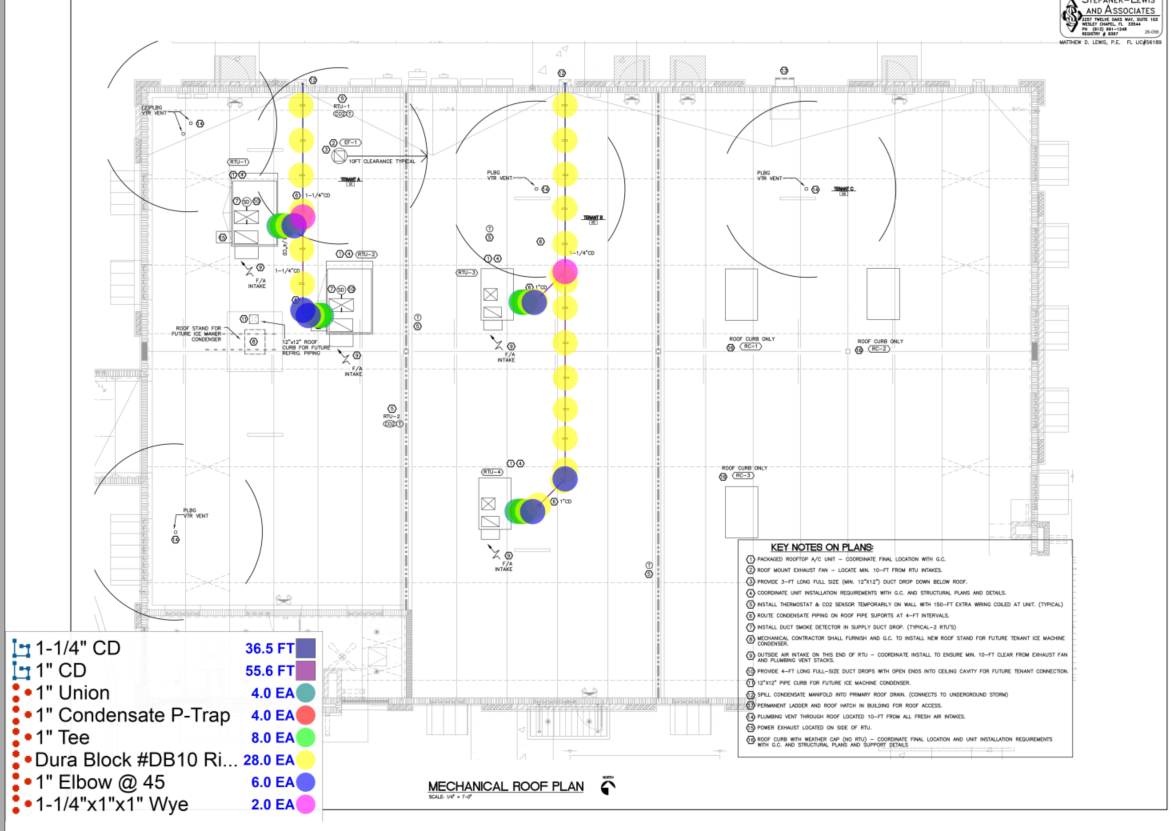
Plumbing takeoff example prepared by RBC Estimation

Our Plumbing Estimating Process

What Affects Plumbing Construction Cost?

Pipe Material

Copper, PVC, PEX, cast iron, and other materials have different purchase prices, joining methods, and labor requirements.

Pipe Diameter

Larger diameters increase material costs, support requirements, handling, and installation labor.

Building Layout

Long runs, multiple floors, congested ceilings, and difficult routing can increase installation time.

Fixture Selection

Commercial-grade fixtures, specialized trim, carriers, and premium finishes can change material and labor costs.

Site & Labor Conditions

Local wages, crew productivity, excavation, restricted access, renovation work, and occupied buildings affect pricing.

Testing & Market Conditions

Pressure testing, flushing, inspections, commissioning, supplier availability, freight, and material price changes affect the final estimate.

Have a Plumbing Project to Price?

Upload the latest plumbing plans, riser diagrams, fixture schedules, specifications, and addenda. We will review the Division 22 scope and confirm the quote and turnaround before starting.

Common Plumbing Estimating Mistakes

Reliable plumbing estimates depend on separating pipe materials and diameters, capturing fittings and supports, checking fixture trim, confirming underground work, and using current pricing.

Price each material and diameter separately because material cost, joining method, supports, and labor vary.
Elbows, tees, reducers, couplings, valves, cleanouts, hangers, sleeves, and supports can add significant material and labor cost.
Verify what is supplied with each fixture and what must be purchased separately, including carriers, stops, traps, and trim.
Installation height, congestion, joining method, access, and building layout can materially affect labor productivity.
Confirm whether excavation, bedding, backfill, restoration, and underground piping are included in the plumbing scope.
Check material pricing and quotation validity, and document responsibilities for permits, penetrations, insulation, connections, testing, and other exclusions.

Frequently Asked Questions

CSI Division 22 covers Plumbing, including plumbing piping, fixtures, equipment, insulation, valves, supports, and related specified systems.
A plumbing takeoff typically includes pipe quantities by size and material, fixture counts, fittings, valves, equipment, supports, and other specified components.
Contractors measure quantities from drawings, apply current material prices and labor rates, account for equipment and testing, and add applicable overhead and profit.
Different pipe diameters, materials, and joining methods have different costs and labor requirements, so grouping them together can produce inaccurate estimates.
A complete plumbing estimate generally includes labor when it falls within the contractor’s scope, with the hours and rates based on project conditions and installation methods.
They organize quantities, mark up drawings, itemize materials and fixtures, and prepare cost breakdowns that help contractors review and submit bids.
Common documents include plumbing plans, riser diagrams, fixture and equipment schedules, specifications, addenda, and relevant architectural or structural drawings.

Plumbing Takeoff Video

Request a Division 22 Estimate

Send the plans and deadline. Our estimator will review the scope and reply with a quote.

Send Us Your Plumbing Drawings

Get a scope review and quote for your next Division 22 plumbing takeoff or cost estimate.